Call us: (90817 73500)
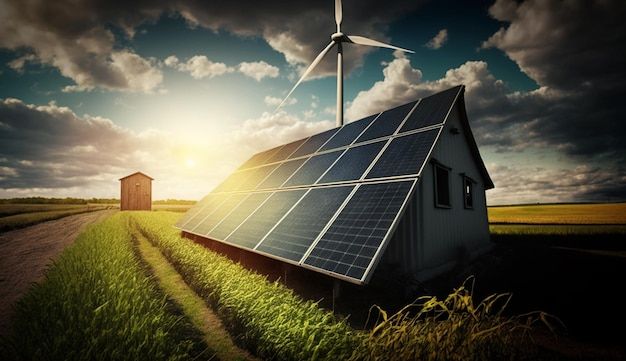

Introduction: The Solar Revolution With rising concerns about climate change and the need for sustainable energy solutions, more people are turning to solar energy as a way to power their homes, businesses, and lives. Solar panels, which harness the power of the sun, are no longer a distant dream – they are an affordable, efficient, and renewable energy source transforming the energy landscape. But why is everyone talking about solar panels, and what makes them so special? In this blog, we’ll explore the benefits of solar panels, how they work, and why you should consider them for your home or business.
1. What Are Solar Panels? Solar panels are devices that convert sunlight into electricity using photovoltaic (PV) cells. These cells are made from semiconductor materials, typically silicon, that absorb sunlight and generate an electric current. Solar panels come in different shapes, sizes, and types, but they all share the same core function: to convert sunlight into usable electricity.
- Photovoltaic Effect: When sunlight hits a solar cell, it excites electrons in the material, creating an electrical current. This current is then harnessed and sent to an inverter, which converts it into alternating current (AC) for everyday use in homes and businesses.
2. The Benefits of Solar Panels
- Environmental Impact: Solar energy is a clean, renewable resource. By installing solar panels, you can significantly reduce your carbon footprint. Unlike fossil fuels, solar power doesn’t release harmful emissions or contribute to global warming. It’s a green energy source that helps preserve the planet for future generations.
- Economic Benefits: One of the most compelling reasons to consider solar panels is the long-term savings on energy bills. Solar panels allow you to generate your own electricity, which means you can cut your reliance on grid power and save money on your utility bills. Plus, many governments offer incentives, rebates, and tax breaks to encourage solar adoption.
- Energy Independence: Solar panels give homeowners and businesses the opportunity to reduce their dependence on traditional energy sources. By generating your own electricity, you are less vulnerable to rising energy prices or outages caused by external factors.
3. How Solar Panels Work: The Technology Behind the Magic While the concept of solar power might sound simple, the technology behind solar panels is quite advanced.
- Solar Cells: The heart of every solar panel, these small, flat units are made from semiconductors, usually silicon, that convert sunlight into electricity. There are different types of solar cells:
- Monocrystalline: Made from a single crystal structure, these cells are the most efficient and durable.
- Polycrystalline: Created from multiple crystal structures, these cells are more affordable but slightly less efficient.
- Thin-Film: Lightweight and flexible, these cells are easy to integrate into various surfaces but are less efficient than silicon-based cells.
- Inverters: Solar panels produce direct current (DC) electricity, but most homes and businesses use alternating current (AC). An inverter is responsible for converting DC into AC so that it can be used by appliances, lights, and other devices.
- Battery Storage: When your solar panels generate more electricity than you need, excess energy can be stored in batteries for use during cloudy days or at night. This storage capability ensures that you can rely on solar power around the clock.
4. Types of Solar Panels: Which One Is Right for You? Not all solar panels are created equal. There are several types, each with its own advantages and disadvantages. Here’s a quick rundown:
- Monocrystalline Solar Panels: These are the most efficient solar panels on the market, offering high power output and a sleek, black appearance. They tend to be the most expensive option but are ideal for homeowners with limited roof space.
- Polycrystalline Solar Panels: These panels are made from silicon crystals and are less efficient than monocrystalline panels. However, they are more affordable, making them an attractive option for those on a budget.
- Thin-Film Solar Panels: These panels are flexible, lightweight, and easy to install. However, they are less efficient than crystalline panels, so you may need more panels to generate the same amount of electricity. Thin-film panels are a good choice for large roofs or specific architectural applications.
5. Solar Panel Installation: What to Expect If you’re considering solar panels for your home or business, here’s what you need to know about the installation process:
- Site Evaluation: A solar installation company will assess your roof to determine the best placement for your panels. Factors such as roof orientation, shading, and available space will be taken into account.
- Installation: Once the design is finalized, the installation team will mount the panels on your roof or other suitable locations. Wiring will be connected to the inverter and, if applicable, to battery storage systems.
- Cost: The initial cost of installing solar panels can vary depending on the size of the system, type of panels, and complexity of the installation. However, over time, the savings on your energy bill can help offset the cost of installation.
- Incentives: Many governments offer financial incentives, tax rebates, and subsidies to reduce the upfront cost of solar installation. Make sure to research the available options in your area.
6. Maintenance and Lifespan: How to Keep Your Solar Panels Efficient Solar panels require very little maintenance. Typically, a good cleaning once or twice a year will ensure that dust, leaves, and other debris don’t block the sunlight. However, you should have your system inspected periodically to ensure that everything is functioning optimally.
- Lifespan: Most solar panels come with a warranty of 20-25 years, and many systems continue to produce power even after that period. Over time, their efficiency may decrease slightly, but they can last well beyond the warranty period.
7. Myths About Solar Panels: Separating Fact from Fiction
- Myth 1: Solar Panels Only Work in Sunny Climates: While solar panels are most effective in sunny areas, they can still generate electricity in cloudy or overcast conditions. As long as there is some sunlight, solar panels will work.
- Myth 2: Solar Panels Are Too Expensive: The upfront cost of solar panels can be significant, but with government incentives, tax rebates, and the long-term savings on energy bills, solar energy is often more affordable than people think.
- Myth 3: Solar Panels Are High Maintenance: Solar panels require very little maintenance, making them a low-effort investment for homeowners.
8. The Future of Solar Panels: What’s Next? The future of solar panels is exciting, with continued advancements in technology. Innovations such as solar shingles, transparent solar cells, and more efficient battery storage promise to make solar energy even more accessible and efficient.
Solar energy plays a crucial role in reducing global dependence on fossil fuels and curbing climate change. As more people embrace clean energy solutions, the solar industry will continue to evolve, creating new opportunities for homeowners, businesses, and the planet.
Conclusion: Why Choose Solar? Solar panels are more than just an energy solution – they’re a step toward a cleaner, more sustainable future. With environmental, economic, and long-term benefits, solar energy is an investment that pays off for both your wallet and the planet. So, why wait? Start your solar journey today and join the renewable energy revolution.